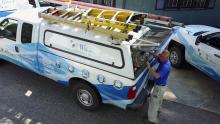

RiverStreet Networks Loses Virginia Contracts After Numerous Delays

RiverStreet Networks has been removed from multiple broadband deployment projects by the Virginia Broadband Office after years of delays, leaving the state scrambling to find a replacement suitor for projects intended to bring affordable Internet access to more than 30,000 rural customers across The Old Dominion state.
The company was stripped of its state contracts after it repeatedly failed to meet deadlines and struggled to find additional funding needed to complete promised state deployments. Most of the state contracts heavily subsidized RiverStreet via the American Rescue Plan Act (ARPA).
But state officials say RiverStreet repeatedly failed to deliver promised connectivity to counties all across the state.
In Patrick, Henry, and Franklin counties, for example, RiverStreet was selected in 2022 and 2023 by the West Piedmont Planning District to bring fiber Internet access to 14,547 households. But according to local news outlet Cardinal News, the ISP had delivered just 40 total connections across all three counties.
“Well, it’s certainly been frustrating, and I have dedicated a tremendous amount of my time to this project,” Henry County Administrator Dale Wagoner told the outlet. “I’ve served as lead [on the project] since day one and the first grant application. It’s most frustrating for our residents who we’ve been promising broadband to for many years now.”


 In this interview, we learn more about both cooperatives and about their long histories of serving people who live in rural communities. Each has their own special expertise and this partnership allows them to combine those for the benefit of members who want better connectivity. Piedmont is one of several electric cooperatives that Wilkes, through RiverStreet, is working with to expand connectivity in rural North Carolina. Greg also describes the ways that RiverStreet works with local communities to take advantage of public assets to expand broadband to more households and businesses.